Sometimes a tooth hurts, the pain settles, and it becomes easy to think, “I’ll get it treated later.”
We understand why patients think this way. Dental treatment can be inconvenient, and when the pain disappears, the problem can feel less urgent.
But pain going away does not always mean that the underlying dental problem has gone away.
This case is a real example from our practice of how delaying recommended treatment can allow an infection around a tooth to progress.
Patient details have been omitted for privacy. The X-rays are shared for educational purposes with appropriate patient permission.
December 2025: The first visit
In December 2025, a patient came to us with pain in the lower-left side of the mouth.
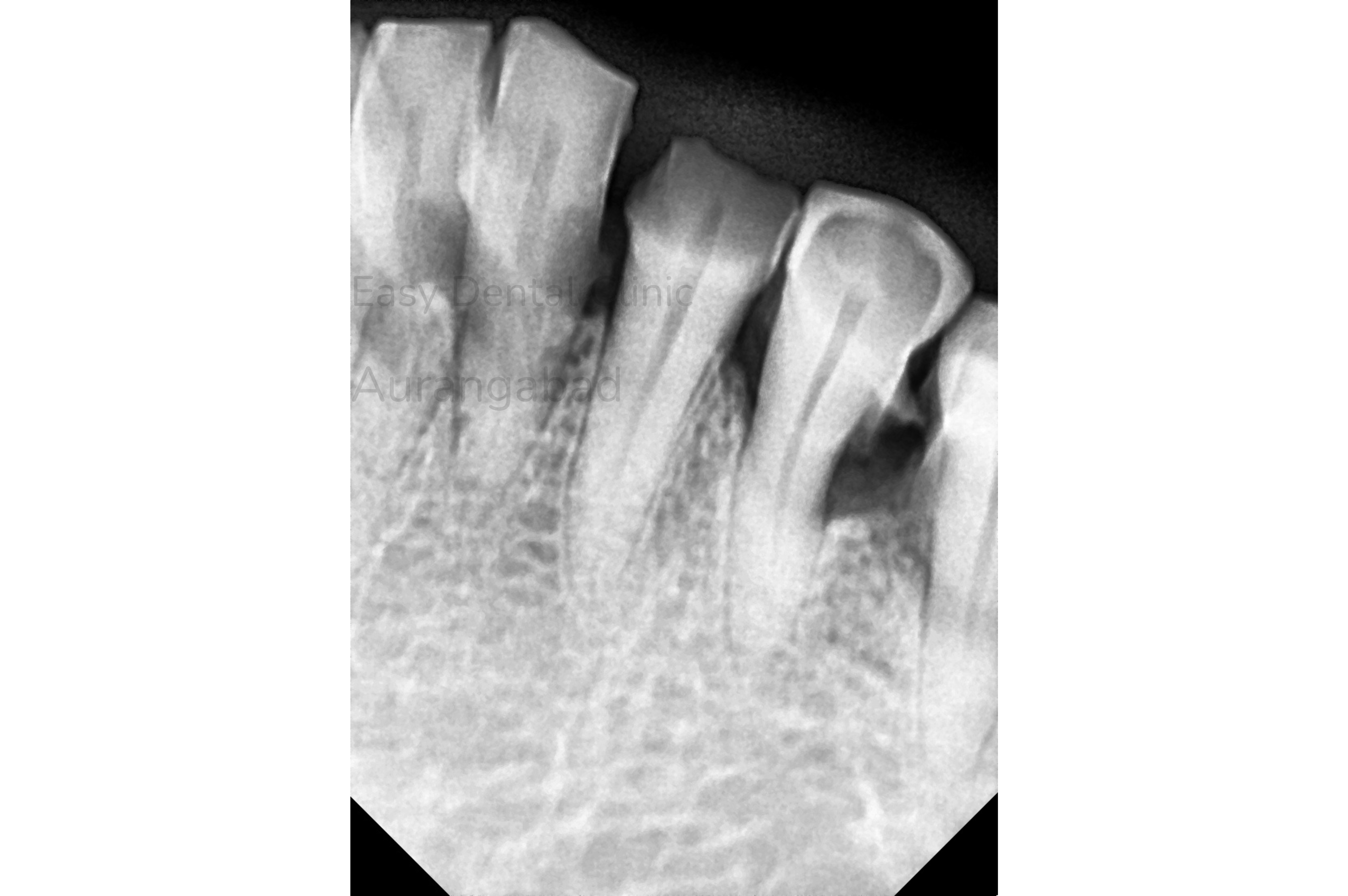
After examining the tooth, we took an X-ray to understand what was happening beneath the surface.
We discussed the possible treatment options with the patient, including whether the tooth could be treated and saved or whether extraction would be the more appropriate option.
After evaluating the situation and discussing the options, extraction was planned for the next appointment.
The patient was given the necessary prescription and advised to return for the planned treatment.
But the patient did not return.
Not for a few weeks.
Not for a few months.
The next time the patient came to the clinic was in August 2026.
August 2026: The situation had changed
When the patient returned approximately eight months later, there was a large swelling outside the mouth, along with pain.
This time, the clinical picture was considerably more concerning.
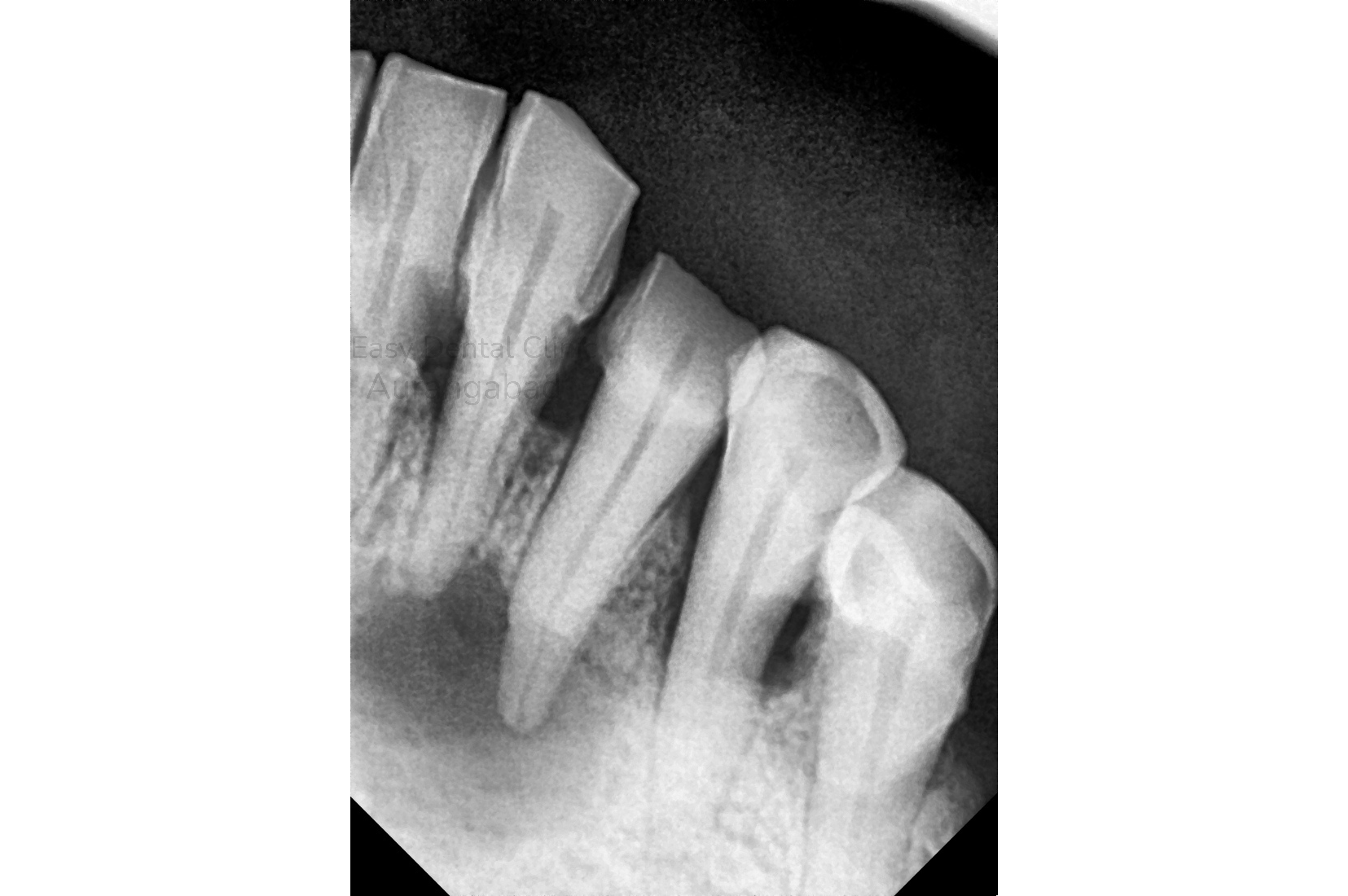
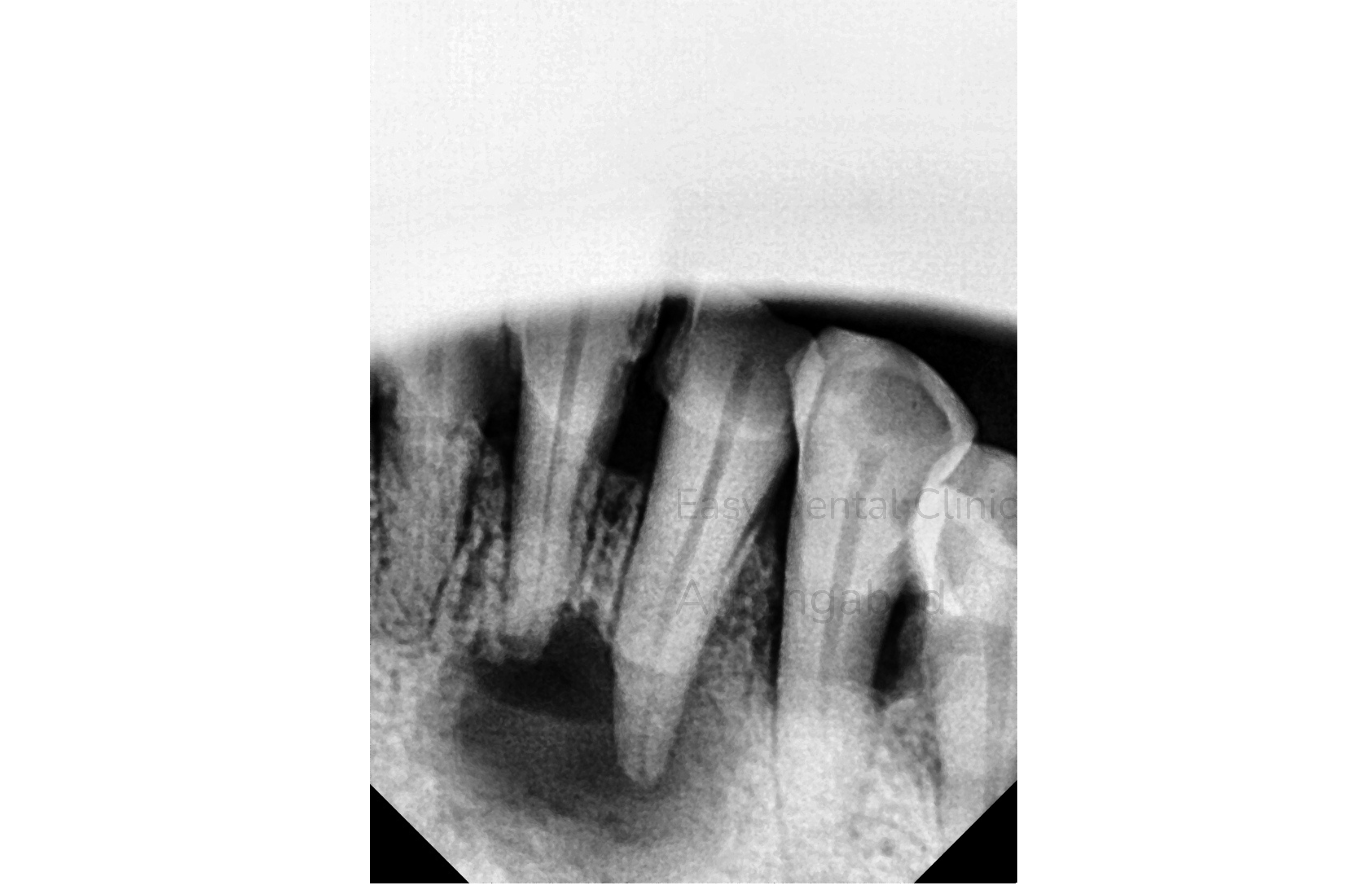
We examined the area again and took another X-ray.
And this is where the story becomes particularly important.
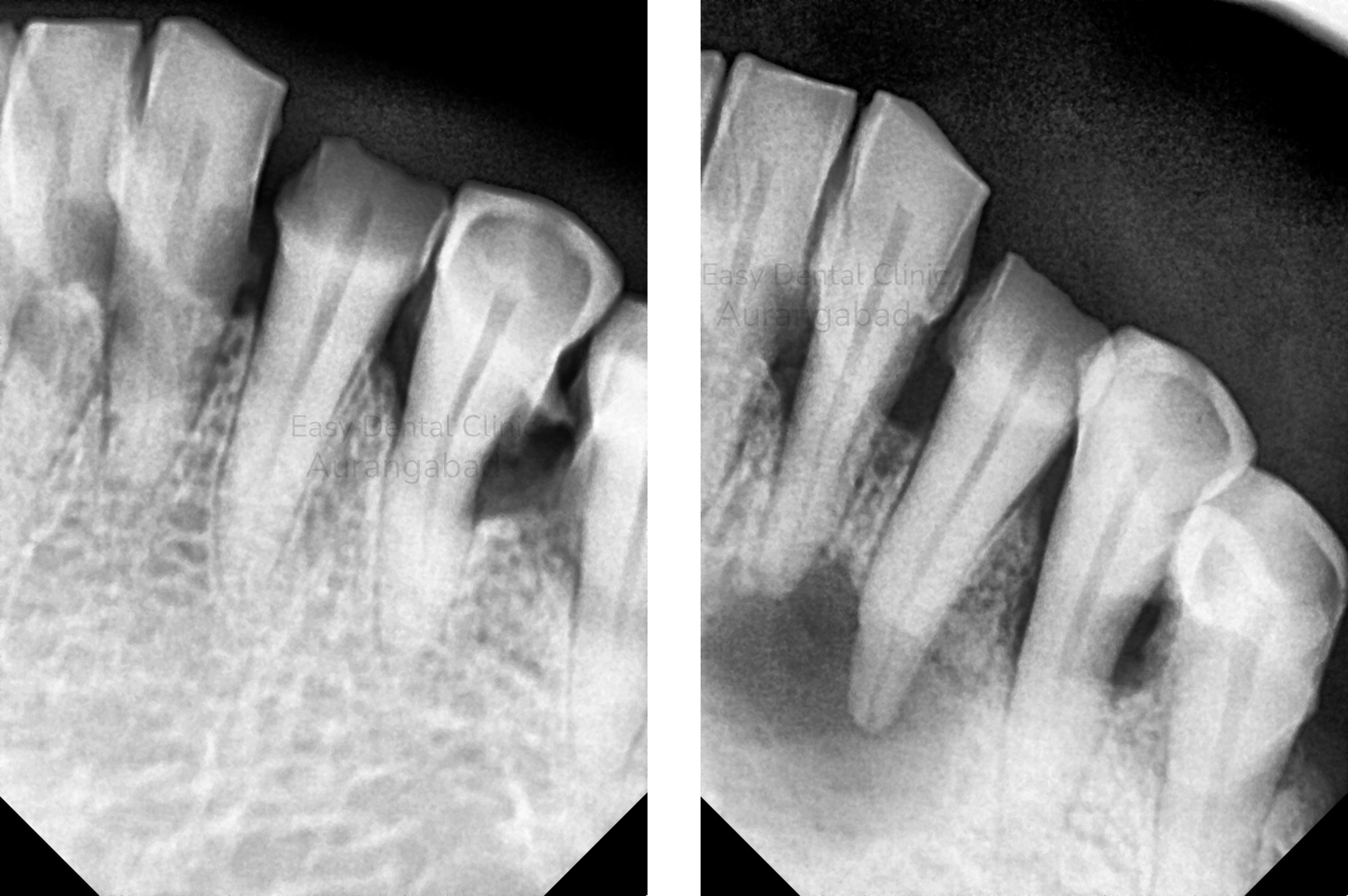
Look at the two X-rays
December 2025 — Initial X-ray
August 2026 — X-ray after the delay
The difference between the two images is significant.
The later X-ray showed a large area of bone loss around the roots (periapical radiolucency) extending across the region of approximately two to three teeth.
An X-ray cannot tell the entire story by itself, and the appearance has to be interpreted together with the clinical examination. But the progression in this case illustrates an important point:
A dental infection that is left untreated can become much more extensive over time.
The swelling settled — but the treatment was still needed
The patient was counselled again about the condition and the available treatment options.
After a few days, the swelling had subsided.
This can sometimes create a false sense of relief:
“The swelling is gone now, so maybe the problem is gone too.”
But that is not necessarily what has happened.
When medication reduces pain or swelling, it may make the symptoms better without eliminating the source of the dental infection.
The patient agreed to proceed with the planned treatment and was asked to return for the extraction.
However, the patient did not attend that appointment either.
What can we learn from this case?
This is not a story about blaming a patient.
Patients delay dental treatment for many understandable reasons. Sometimes the pain becomes tolerable. Sometimes work, family responsibilities or other priorities take over. Sometimes there is simply a hope that the tooth will settle down on its own.
But there is an important distinction between feeling better and being treated.
A tooth can stop hurting while the underlying disease remains.
An antibiotic or painkiller can sometimes reduce symptoms, but medication does not automatically remove the source of an infection inside or around a tooth.
And when the recommended treatment is repeatedly delayed, the situation may become more complicated.
“Doctor, just give me medicine for now. We’ll see later.”
This is something dentists hear quite often.
Sometimes medication is genuinely appropriate as part of managing an infection or symptoms. But medication should not be considered a substitute for the definitive dental treatment when one is required.
If a tooth needs root canal treatment, extraction, drainage, or another procedure to remove the source of the problem, simply waiting for the pain to return is not a treatment plan.
The quiet period can be misleading.
The absence of pain does not necessarily mean the tooth has healed.
Why do infections sometimes become larger without causing severe pain?
Dental infections do not always behave in a predictable way.
A tooth can have significant disease around its roots without causing constant severe pain. The body can sometimes temporarily contain or drain an infection, and symptoms can fluctuate.
That is why dentists sometimes recommend treatment even when a patient says:
“But doctor, it isn't hurting much now.”
The examination and X-ray can reveal what cannot be judged from pain alone.
In this case, the two X-rays taken months apart provide a particularly clear visual reminder of why following through with recommended treatment matters.
The bigger lesson
If your dentist has recommended treatment for a tooth, especially after an examination and X-ray, don't assume that you can safely wait simply because the pain has disappeared.
Ask questions.
Understand why the treatment is being recommended.
If you are unsure about the proposed treatment, discuss the alternatives with your dentist and, when appropriate, seek a second opinion.
But don't simply ignore the problem and wait for the pain to become severe again.
Pain is a symptom. It is not always a reliable measure of how much disease is present.
And sometimes, by the time a tooth starts hurting badly again, the situation has already changed.
A final thought
The most important part of this case is not that the patient delayed treatment.
It is what the two X-rays show.
The December image and the August image tell a story that words cannot fully explain: a dental problem that was identified earlier had become considerably more extensive by the time the patient returned.
If your dentist has recommended treatment for a tooth, and you are thinking, “I'll do it later,” take a moment to ask:
“What could happen if I wait?”
That conversation may be more important than simply asking for another prescription.