Easy Dental Clinic
The Modern Face of Dentistry
Now accepting new patients
High-Tech, Pain-Free Dentistry
Backed by 15+ Years of Trust.
Gentle, modern dental care for the whole family in Chhatrapati Sambhajinagar — cleaning, whitening, implants, root canal, checkups and same-day emergency care, all under one roof.
- 15+
- Years of experience
- 10 AM–10 PM
- Open every day
- Same-Day
- Emergency appointments
Experience dentistry that's comfortable, modern, and genuinely gentle – care you can trust.
Why Choose Us
Dental care built around your comfort
Gentle, Pain-Free Approach
We take the time to explain every step, so anxious patients feel calm and in control.
15+ Years of Experience
Led by Dr. W. A. Khan and Dr. Afreen Mirza, with training exposure from international dental educators.
Modern & Digital Dentistry
Digital imaging and diagnostics for more accurate treatment planning and fewer surprises.
Same-Day Emergency Care
Severe pain, a broken tooth, or swelling — call us and we'll fit you in as soon as we can.
Family-Friendly for All Ages
From a child's first check-up to denture care, we look after every generation of your family.
Clear, Honest Treatment Plans
Every treatment starts with a thorough evaluation, so you always know what to expect next.
0+
Years of Experience
0+
Happy Patients
0%
Patient Satisfaction Rate
Meet Your Dentist
Dr. W. A. Khan
BDS · 15+ Years of Clinical Experience
Dr. Khan is the lead dentist at Easy Dental Clinic, with over 15 years of clinical experience. After completing his graduation, he spent his initial professional years in Pune, where he gained valuable exposure to advanced dental practices, modern treatment techniques, and a wide range of clinical cases.
Meet the Full Team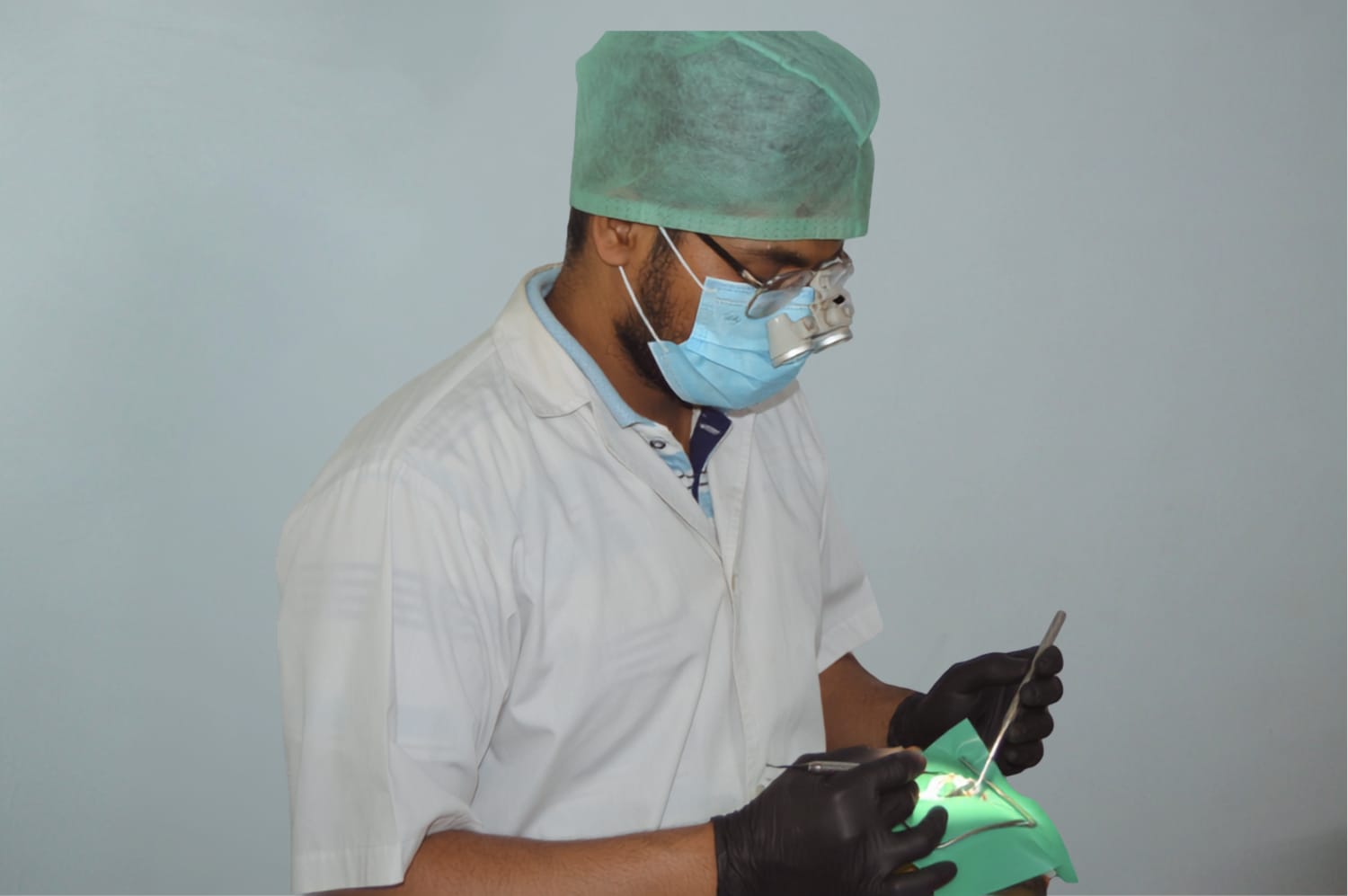
Our Services
Comprehensive dental care, under one roof
From routine cleanings to same-day emergencies — here are six of the treatments we're asked for most.
General & Preventive Dentistry
Keeping your teeth and gums healthy starts with regular care. Good dental health isn’t only about treating problems when they appear. Regular check-ups, professional cleaning and preventive care can help identify problems early and keep your teeth and gums healthy for longer. At Easy Dental Clinic, we take a preventive approach wherever possible — looking at your current oral health, identifying potential concerns and helping you understand what you can do to maintain your smile. What does general and preventive dentistry include? Our general dental care includes: Routine dental check-ups Professional teeth cleaning and scaling Gum health assessment Cavity and tooth decay evaluation Tooth-coloured fillings Treatment of minor dental problems Oral hygiene guidance Digital dental imaging when required Preventive advice for children and adults Regular monitoring of existing dental work Why are regular dental check-ups important? Some dental problems can develop without causing noticeable pain in the early stages. A routine examination allows your dentist to look for signs of tooth decay, gum problems, worn or damaged teeth and other changes that may need attention. Finding a problem early can sometimes mean simpler treatment and can help prevent a small issue from becoming a larger one. Professional Cleaning & Scaling Even with regular brushing and flossing, plaque can accumulate in areas that are difficult to clean thoroughly. Over time, it can harden into tartar. Professional scaling helps remove these deposits from the teeth and around the gumline. After cleaning, your teeth are polished to help leave the surfaces feeling cleaner and smoother. What happens during a routine dental visit? Your appointment may include: 1. Discussion We first ask about your concerns, dental history and any symptoms you may be experiencing. 2. Examination Your teeth, gums and surrounding oral tissues are examined carefully. 3. Digital imaging, when required If an area needs a closer look, appropriate digital dental imaging may be recommended. 4. Explanation We explain what we find in straightforward language and discuss the available options. 5. Preventive advice or treatment Depending on your needs, we may recommend cleaning, preventive care or further treatment. How often should I visit the dentist? There is no single interval that is right for everyone. Your ideal check-up schedule depends on factors such as your oral health, history of dental problems, gum health and risk of developing new problems. We can recommend an appropriate recall schedule after assessing your individual needs. A healthier smile starts with regular care Whether it has been six months or several years since your last dental visit, you’re welcome to book an examination. Book an Appointment
Learn MoreCosmetic Dentistry & Whitening
Cosmetic Dentistry & Teeth Whitening A healthier-looking, more confident smile Your smile is an important part of how you express yourself. Cosmetic dentistry focuses on improving the appearance of your teeth while keeping the treatment appropriate for your individual dental needs. Whether you are concerned about tooth colour, shape, minor imperfections or the overall appearance of your smile, we can assess your teeth and discuss which options may be suitable for you. Cosmetic dental treatments may include Depending on your needs, cosmetic dentistry may involve: Professional teeth whitening Tooth-coloured restorations Cosmetic reshaping where appropriate Smile-related restorative treatments Crowns or other restorations when clinically indicated Replacement of missing teeth Orthodontic options for improving tooth alignment Not every cosmetic treatment is suitable for every patient. We first assess the condition of your teeth and gums before recommending an option. Teeth Whitening Professional teeth whitening can help lighten the appearance of natural teeth and reduce certain types of staining. The result and level of whitening vary from person to person depending on factors such as the original shade of the teeth, the type of staining and your individual response to treatment. Before whitening, we assess your teeth and gums to determine whether whitening is appropriate and discuss what kind of result you can realistically expect. What can cause tooth staining? Tooth colour can change over time due to: Tea and coffee Tobacco use Certain foods and drinks Natural ageing Some medications or dental conditions Staining that develops over time Not all discolouration responds in the same way to whitening. Some types of staining may require a different approach. What happens during a cosmetic consultation? We start by understanding what you would like to change about your smile. We then assess: Tooth colour Tooth shape and proportions Existing fillings or restorations Gum health Tooth alignment Overall dental health Based on the examination, we explain the options that may be appropriate for you. A natural-looking result matters Cosmetic dentistry should not simply make teeth look whiter or more uniform. Good cosmetic treatment should also consider your natural facial features, tooth proportions, bite and overall oral health. Our approach is to aim for a result that looks natural and suits you rather than simply following a one-size-fits-all idea of a perfect smile. Is cosmetic dentistry right for you? The best way to know is through an individual assessment. We can discuss what you would like to improve and explain which options are realistic for your teeth. Book a Cosmetic Dentistry Consultation
Learn MoreDental Implants & Tooth Replacement
Replacing missing teeth with a stable, natural-looking solution A missing tooth can affect more than your smile. Depending on its location, it can also make chewing less comfortable and change the way you feel about eating or speaking. Dental implants are one option for replacing missing teeth. They are designed to provide a stable foundation for a dental crown, bridge or other prosthetic restoration. At Easy Dental Clinic, we assess your oral health, the missing tooth area and your individual requirements before discussing whether an implant is suitable for you. What is a dental implant? A dental implant is a small biocompatible fixture that is placed in the jawbone to act as a replacement for the root of a missing tooth. Once the implant has healed and integrated with the surrounding bone, a prosthetic tooth can be attached to restore the visible part of the tooth. The final restoration is designed to function and look as naturally as possible within your existing teeth. When might an implant be considered? Dental implants may be considered for: A single missing tooth Several missing teeth Certain cases involving multiple missing teeth Supporting a dental bridge Supporting removable dentures in selected cases Whether an implant is appropriate depends on factors such as bone availability, gum health, general dental health and your individual treatment requirements. What does the implant process involve? The exact process varies from patient to patient, but it generally involves several stages. 1. Consultation and assessment We examine the missing tooth area and assess your teeth, gums and supporting structures. Digital imaging may be used when required for treatment planning. 2. Treatment planning We discuss the available options and develop a treatment plan based on your individual situation. 3. Implant placement The implant is placed in the planned position within the jawbone. 4. Healing The implant needs time to heal and integrate with the surrounding bone before the final restoration is placed. 5. Final tooth / prosthesis Once healing is satisfactory, the final crown or prosthetic restoration is designed and fitted. What if I have been missing a tooth for a long time? The area around a missing tooth can change over time, including changes in the supporting bone. This does not automatically mean an implant is impossible, but it may affect the treatment plan. A proper assessment is needed to determine the available options. Dental implants are not the only way to replace a missing tooth Depending on your situation, a dental bridge or denture may be a more suitable option. We discuss the alternatives with you rather than assuming that one treatment is right for everyone. Looking after your implant A dental implant is not completely maintenance-free. Good oral hygiene and regular dental check-ups remain important after treatment. The implant, surrounding gums and final restoration should be monitored regularly to help maintain their health over time. Considering replacing a missing tooth? If you have one or more missing teeth, we can assess your situation and explain the options available to you. Book a Dental Implant Consultation
Learn MoreRoot Canal Treatment
Saving a tooth when the inside of the tooth becomes infected A deep cavity, crack, injury or repeated dental treatment can sometimes affect the soft tissue inside a tooth. When the pulp becomes inflamed or infected, root canal treatment may be recommended to remove the affected tissue, clean the root canals and preserve the natural tooth. The aim is not simply to remove pain. It is to treat the source of the problem and, where possible, keep your natural tooth. When might you need a root canal? Root canal treatment may be considered when the inside of the tooth has become inflamed or infected. Possible signs include: Persistent toothache Pain when biting or chewing Prolonged sensitivity to hot or cold Swelling around the tooth Tenderness around the gum A darkened or discoloured tooth A deep cavity or crack Previous dental treatment that has affected the tooth However, not everyone experiences obvious symptoms. Sometimes an infection is detected during a routine examination or dental X-ray. What happens during root canal treatment? The exact procedure depends on the tooth and the condition of the infection, but the treatment generally involves: 1. Examination and diagnosis We assess the tooth and, when necessary, use digital dental imaging to understand the condition of the tooth and its roots. 2. Accessing the inside of the tooth A small opening is made to reach the pulp chamber and root canals. 3. Cleaning the canals The affected tissue is removed and the root canals are carefully cleaned and shaped. 4. Filling the canals Once the canals have been properly cleaned and prepared, they are sealed with a suitable root canal filling material. 5. Restoring the tooth The tooth is then restored with an appropriate filling or, when necessary, a crown to help protect the remaining tooth structure. Is root canal treatment painful? Modern techniques and local anaesthesia allow root canal treatment to be performed comfortably for most patients. The tooth may feel sore or sensitive for a few days afterwards, particularly if there was already infection or inflammation. We will explain what you can expect after treatment and how to manage any discomfort. Why save the natural tooth? When a tooth can be predictably treated and restored, preserving the natural tooth can have important advantages. Keeping the natural tooth helps maintain the existing bite and avoids immediately having to replace the tooth with an implant, bridge or denture. However, whether a tooth can be saved depends on how much healthy tooth structure remains and the condition of its roots and surrounding tissues. What happens after a root canal? A root-treated tooth may require a permanent restoration to protect it, particularly when a significant amount of tooth structure has been lost. It is important to follow the recommended restoration and follow-up schedule and to avoid placing excessive pressure on a tooth that has not yet received its final restoration. Root canal or extraction? When a tooth is badly damaged or infected, patients sometimes assume extraction is the only option. In some cases, however, root canal treatment may allow the natural tooth to be preserved. We assess the tooth carefully and explain whether saving it is a realistic option or whether removal and replacement should be considered. Have you been experiencing persistent tooth pain? Don’t wait for the pain to become unbearable. A dental examination can help identify what is causing the problem and whether root canal treatment or another option is appropriate. Book a Root Canal Consultation
Learn MoreFamily & Children's Dentistry
Family & Children’s Dentistry Dental care for every stage of life Good dental habits start early and continue throughout life. We provide dental care for children, teenagers, adults and older family members, with treatment and communication adapted to each patient’s age and needs. For children especially, our aim is not just to treat a problem when it appears, but to help them become comfortable with dental visits and learn good habits from an early age. Children’s dental care A child’s teeth are constantly changing as they grow. Regular dental visits can help us monitor this development and identify problems before they become more difficult to manage. Children’s dental visits may include: First dental check-ups Monitoring the development of teeth Checking for cavities Professional cleaning when needed Advice on brushing and oral hygiene Diet and sugar-related guidance Assessment of developing bite and tooth alignment Preventive dental care Management of common dental problems in children When should a child first visit a dentist? It is a good idea for a child to have their first dental visit when their first teeth appear or by around their first birthday. Early visits help children become familiar with the dental environment and allow potential problems to be identified early. Helping children feel comfortable We understand that a dental clinic can feel unfamiliar or intimidating to a child. We try to keep the experience calm and age-appropriate, explain things in a way children can understand and avoid making dental treatment feel frightening. Parents are also given practical advice about brushing, diet and habits that can affect developing teeth. Dental care for the whole family Adults and older family members have different dental needs, from preventive check-ups and gum care to replacing missing teeth and maintaining existing dental work. Having your family’s dental care in one place can make regular visits simpler and easier to keep up with. Building healthy habits early Regular dental visits are not only about finding cavities. They give children an opportunity to learn how to look after their teeth properly and develop a positive attitude towards dental care. Book a Family Dental Appointment
Learn MoreEmergency Dental Care
When you need a dentist without waiting Dental problems do not always happen at a convenient time. Severe toothache, swelling, a broken tooth or a dental injury can happen suddenly and may need prompt attention. We provide same-day emergency dental evaluation whenever possible, so you can get the problem assessed and understand what needs to be done next. Common dental emergencies You should contact us if you experience: Severe or persistent toothache Facial or gum swelling A broken or badly damaged tooth A knocked-out or displaced tooth Dental injury after an accident Bleeding that does not stop Severe sensitivity or pain A lost or broken filling or crown causing significant discomfort Pain or swelling around a previously treated tooth What should you do before coming to the clinic? The right first-aid step depends on the problem. If a tooth has been knocked out, handle it carefully by the crown rather than the root and contact a dentist as soon as possible. If there is swelling, severe pain or bleeding, avoid attempting to treat the problem yourself and seek professional dental assessment. If you have a dental injury, bring any broken tooth fragment with you if possible. What happens during an emergency visit? We first assess the problem and try to identify the cause of your pain or symptoms. Digital imaging may be recommended if it is needed to understand what is happening beneath the surface. We then explain the immediate treatment options and what may be required to resolve the underlying problem. Emergency treatment may include pain and infection management, temporary protection of a damaged tooth, root canal treatment, extraction or other appropriate dental care depending on the situation. Severe pain should not be ignored Painkillers may temporarily reduce discomfort, but they do not necessarily treat the cause of the problem. If you have severe pain, swelling or a dental injury, getting the tooth examined promptly can help prevent the problem from becoming more serious. Same-day emergency evaluation We are open every day from 10 AM to 10 PM and aim to accommodate dental emergencies on the same day whenever possible. Call Us for Emergency Dental Care
Learn More“Nice treatment and machine”
 Manda Jarhad
“Very nice experience”
 aAdesh kAdam
“Very much satisfied with the treatment and also recommend to my friends and family members for dental issues to treat here.”
 Sachin Joshi
“Very good service in professional way.”
“Vry good service n dr is vry saportiveli handle peshant”
Visit Us
Find us in Chhatrapati Sambhajinagar
Deolai Chowk, Beed Bypass, Deolai Road, Opp. HDFC ATM, Chhatrapati Sambhajinagar (Aurangabad*), Maharashtra 431009
Get directionsOpen Daily · 10:00 AM – 10:00 PM
Open every day, including holidays.
Call for a same-day emergency slot.