A practical way to replace multiple missing teeth
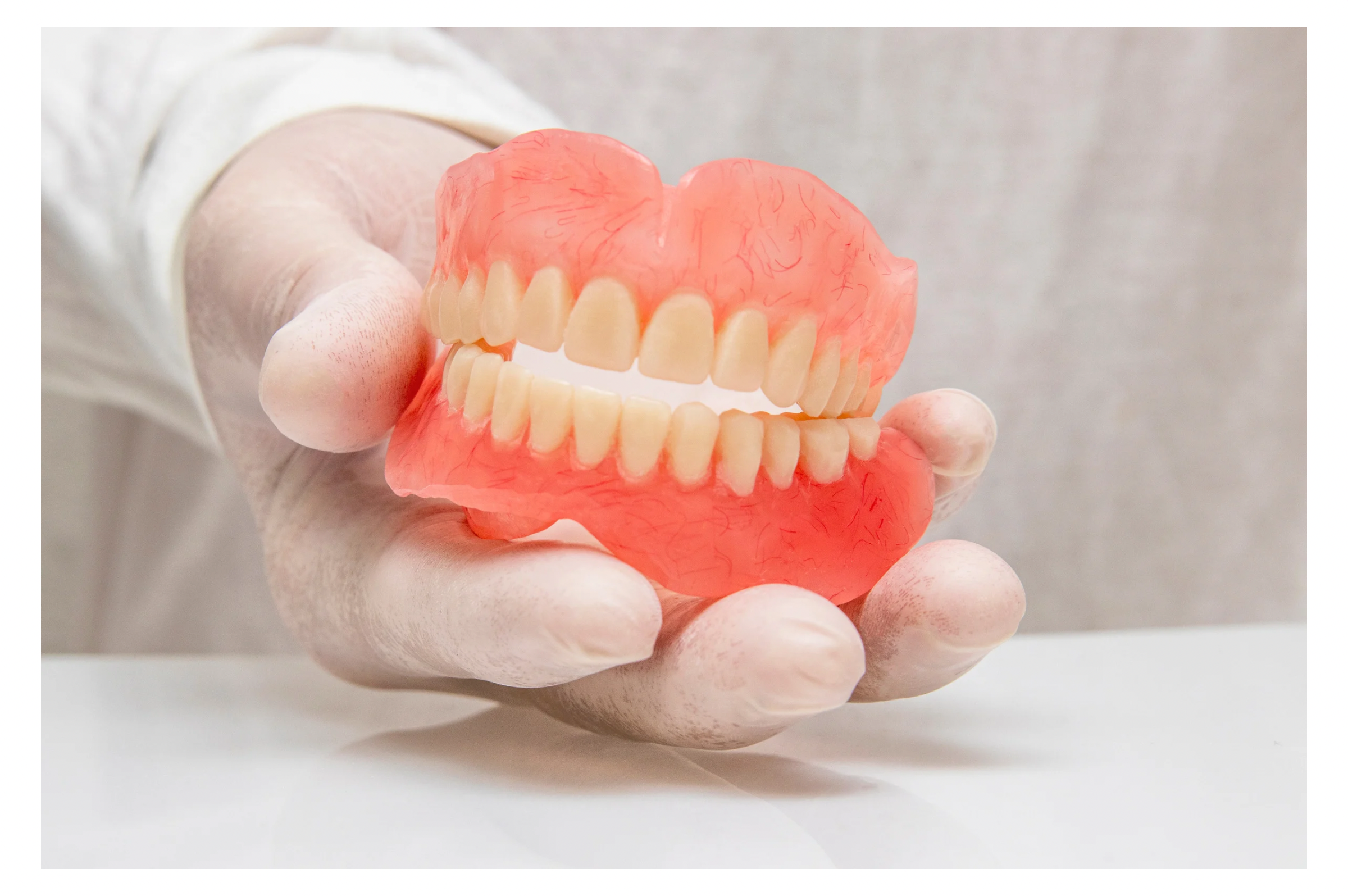
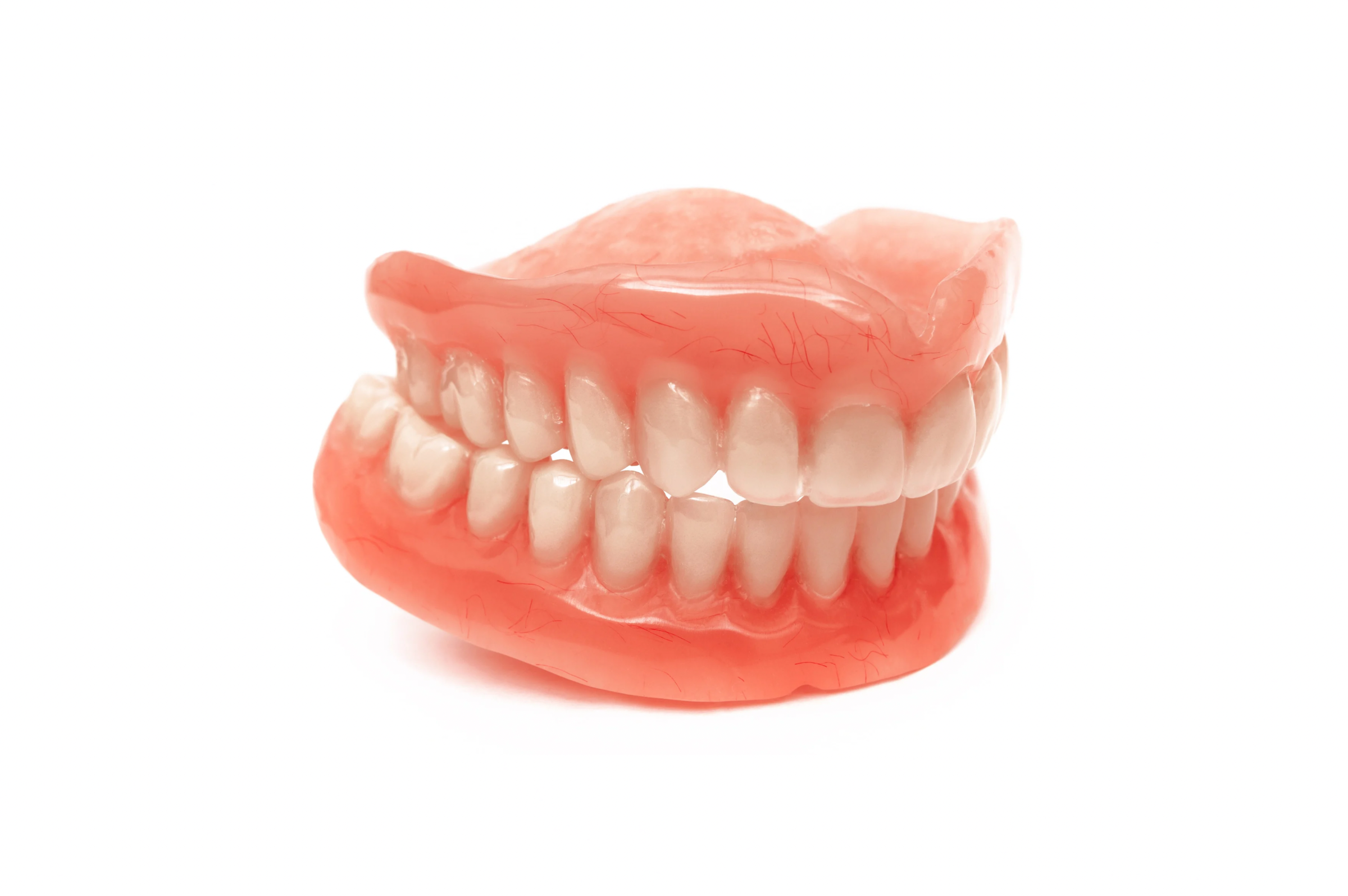
Missing several or all of your teeth can affect eating, speaking and confidence. Dentures are removable dental appliances designed to replace missing teeth and restore some of the function and appearance of your smile.
Depending on how many teeth are missing and the condition of the remaining teeth, different types of dentures may be considered.
Types of dentures
Complete dentures
Used when all teeth in the upper or lower jaw are missing.
Partial dentures
Used when some natural teeth remain and several missing teeth need to be replaced.
The most suitable option depends on your oral health, the number and condition of your remaining teeth and your individual needs.
When might dentures be considered?
Dentures may be an option when:
Several teeth are missing
Most teeth in an arch are missing
Remaining teeth cannot be predictably restored
A removable option is preferred
A patient needs a relatively straightforward way to replace multiple missing teeth
In some situations, implants, bridges or a combination of treatments may provide another option. We discuss the alternatives before deciding on treatment.
What is the process?
1. Examination
We assess your gums, remaining teeth and the overall condition of your mouth.
2. Treatment planning
We discuss the type of denture that may be suitable and whether any existing teeth need treatment first.
3. Measurements and impressions
Accurate measurements and impressions are taken so the denture can be made to fit your mouth.
4. Try-in and adjustments
Before the final denture is completed, its fit, appearance and bite are checked.
5. Final fitting
The completed denture is fitted and we explain how to wear, clean and look after it.
Will dentures feel natural?
There is usually an adjustment period when you first start wearing dentures. You may initially notice a difference while speaking or eating.
With time and practice, most people become more comfortable with their dentures. Good fit is also important for comfort and function.
If your denture feels loose, causes sore areas or becomes uncomfortable, it may need adjustment.
Looking after your dentures
Dentures need regular cleaning just like natural teeth.
We recommend cleaning your dentures as advised, keeping your mouth and any remaining natural teeth clean, and attending regular dental check-ups.
Your mouth can change over time, which may affect how your denture fits. An old or poorly fitting denture may therefore need adjustment, relining or replacement.
Considering dentures?
If you’re missing several teeth and want to understand your replacement options, we can assess your mouth and discuss what would work best for you.
Book a Denture Consultation