Straighter teeth and a better-balanced bite
Orthodontic treatment is about more than making teeth look straight. Properly aligned teeth can make them easier to clean and can improve the way your upper and lower teeth meet when you bite and chew.
We assess your teeth, bite and overall dental health before recommending an orthodontic treatment plan.
Who may benefit from orthodontic treatment?
Orthodontic treatment can be considered for:
- Crowded teeth
- Gaps between teeth
- Crooked or rotated teeth
- Protruding teeth
- Problems with the way the upper and lower teeth meet
- Certain bite problems
- Teeth that have shifted over time
Orthodontic treatment may be suitable for teenagers as well as adults.
How does orthodontic treatment work?
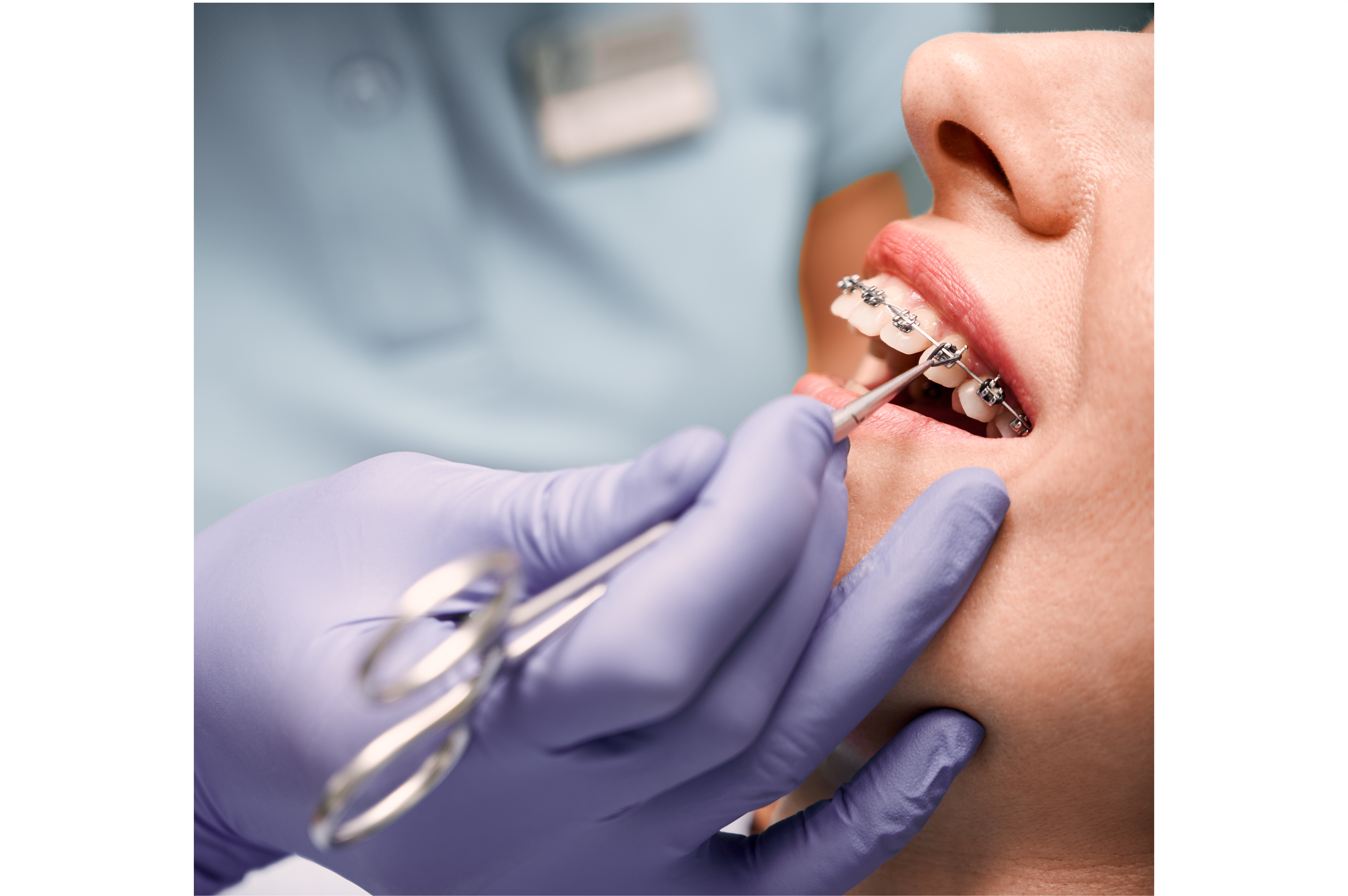
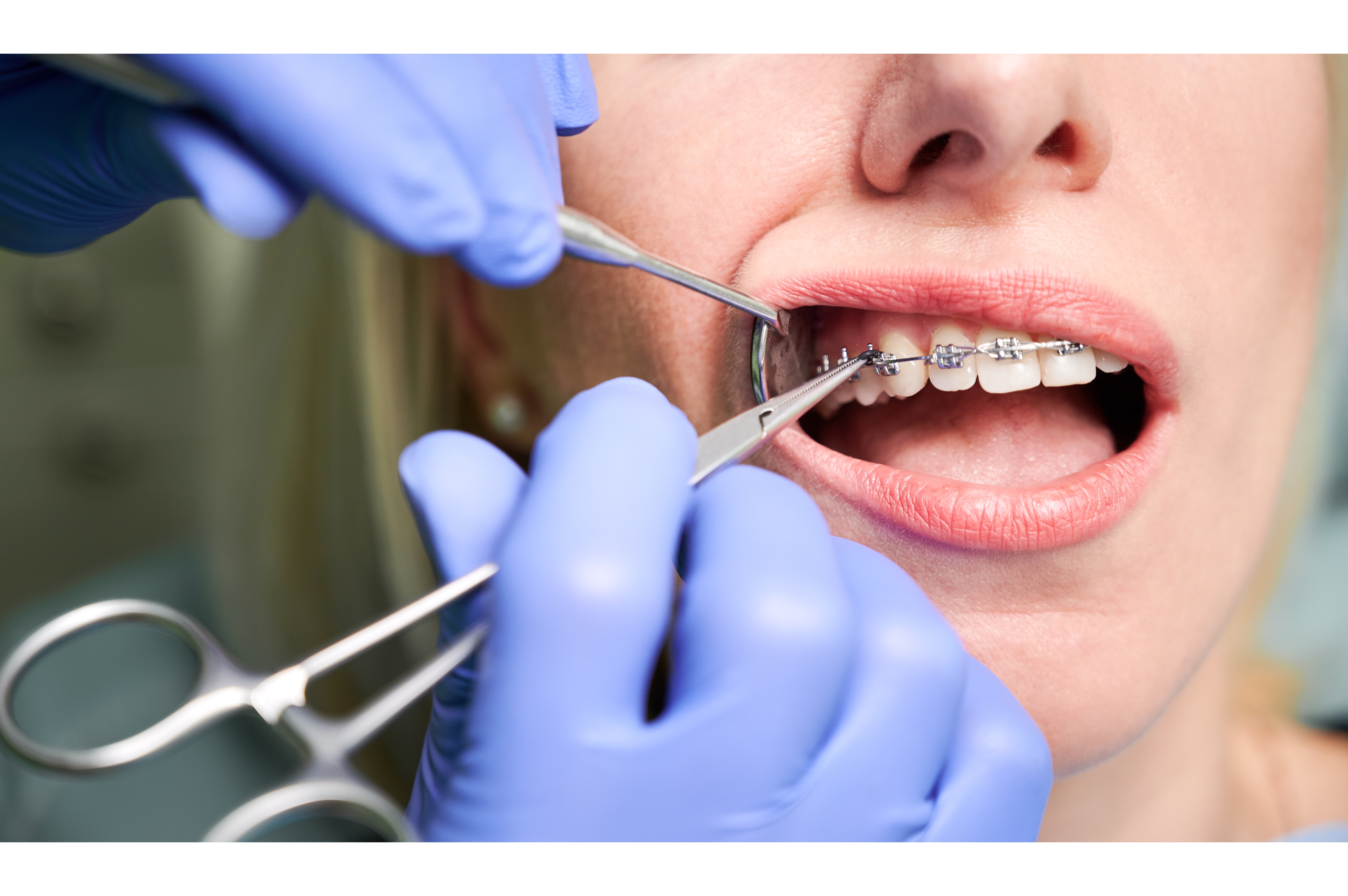
Braces or other orthodontic appliances apply controlled pressure to the teeth over time. This gradually guides them towards a more suitable position.
The exact treatment approach depends on your teeth, bite, age and treatment goals.
What happens before treatment?
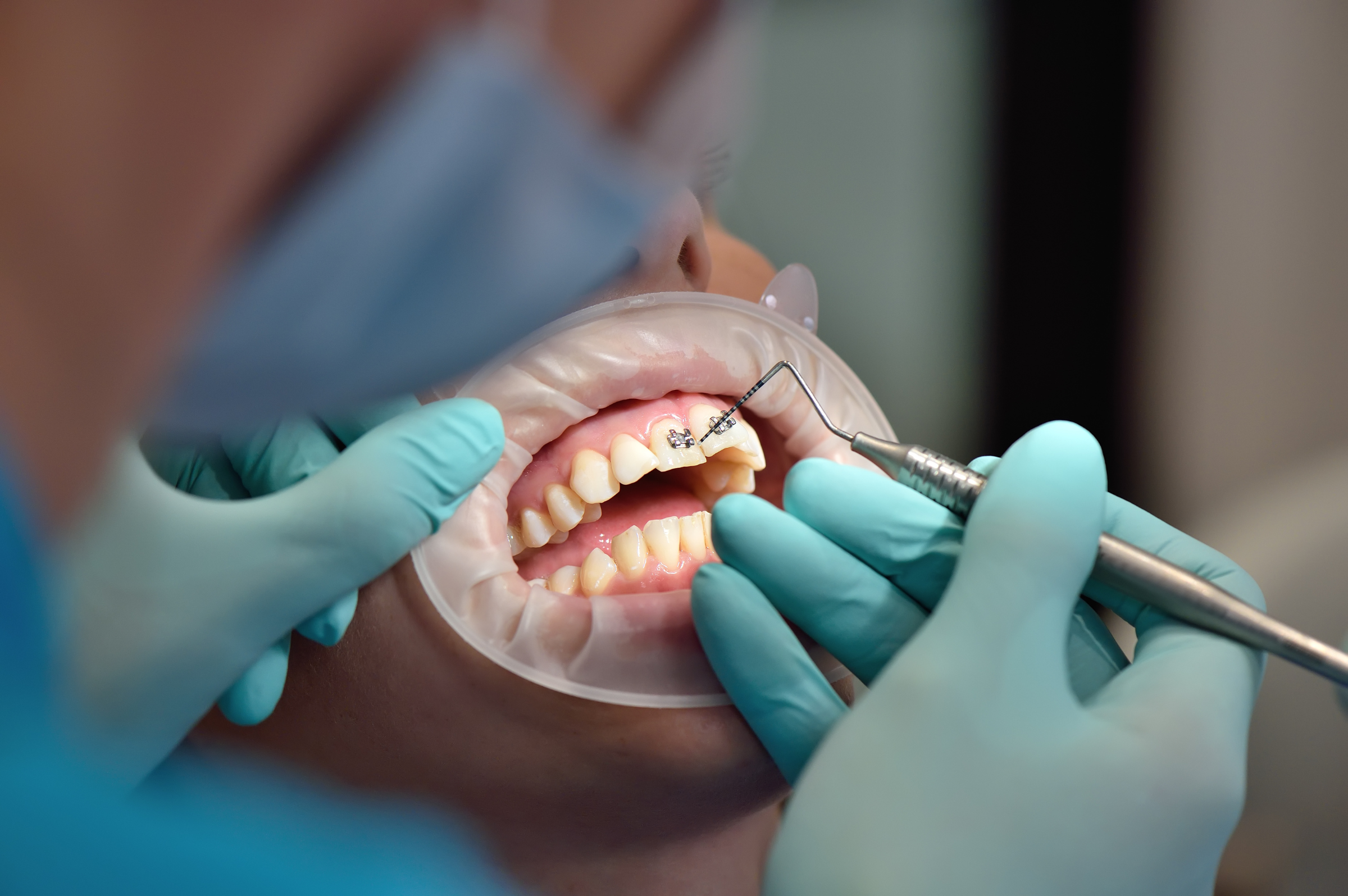
Your first orthodontic assessment includes an examination of your teeth and bite.
Depending on your situation, digital dental imaging and photographs may be used to help plan treatment.
We discuss:
- What needs to be corrected
- Possible treatment options
- Expected treatment stages
- Approximate treatment duration
- What you will need to do during treatment
- Retention after treatment
Braces and orthodontic options
Different types of orthodontic treatment may be appropriate for different patients.
The right option depends on the movement required, your bite, your dental health and other clinical factors. Rather than choosing an appliance simply because it looks appealing, we recommend an option based on what your teeth actually need.
How long does orthodontic treatment take?
Treatment time varies considerably from one person to another.
It depends on factors such as the amount of tooth movement required, the complexity of the bite and how consistently the treatment instructions are followed.
You will be given a more realistic estimate after your teeth have been examined.
Life after braces
Once the teeth have been moved into their planned positions, retainers are usually needed to help maintain the result.
Teeth can naturally move over time, so retention is an important part of orthodontic treatment rather than simply the final step.
Thinking about straightening your teeth?
An orthodontic assessment is the best place to start. We can examine your teeth and explain what can realistically be achieved in your case.
Book an Orthodontic Consultation