Wisdom Tooth & Minor Oral Procedures
Care for wisdom teeth and common minor dental procedures
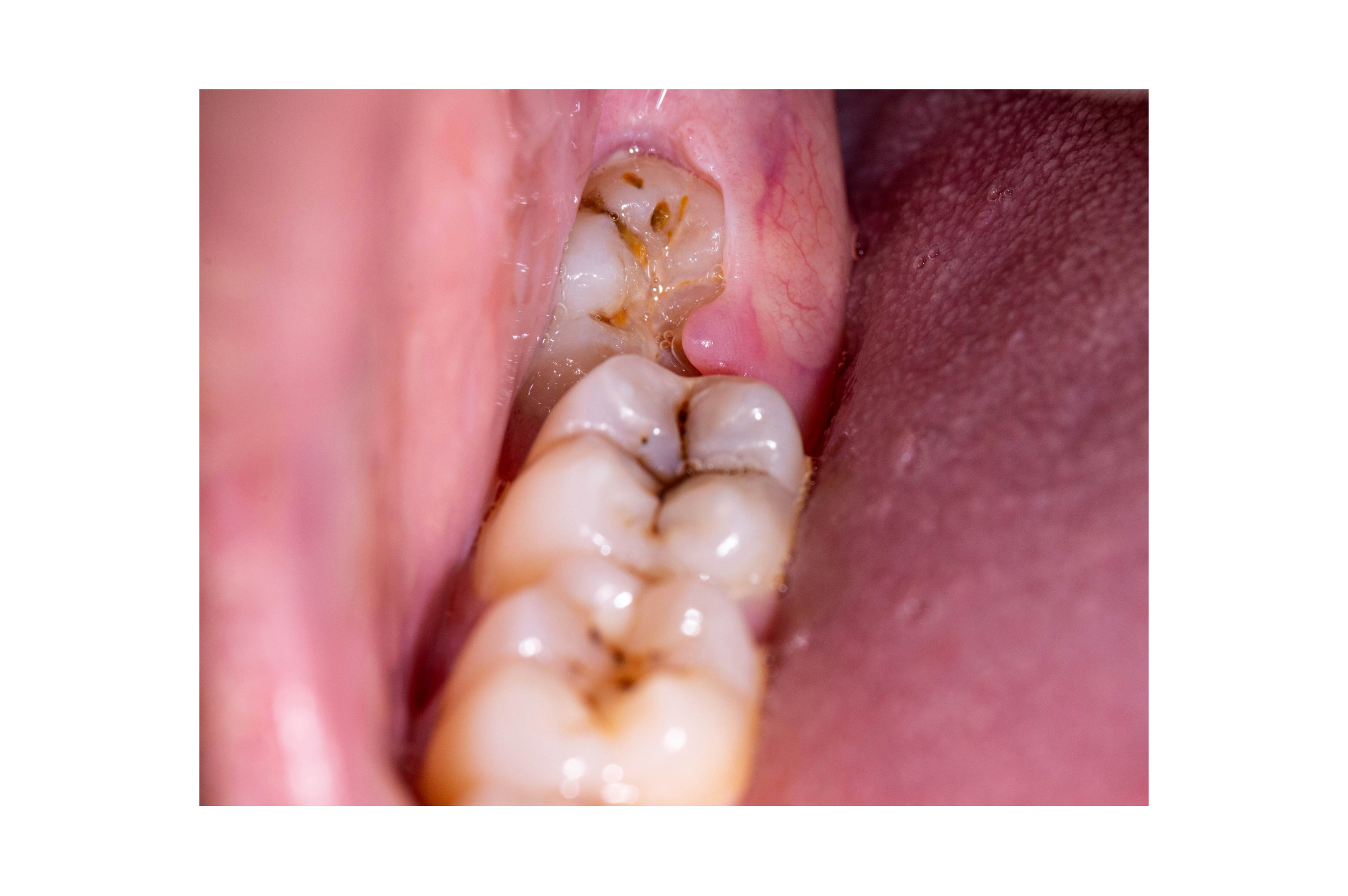
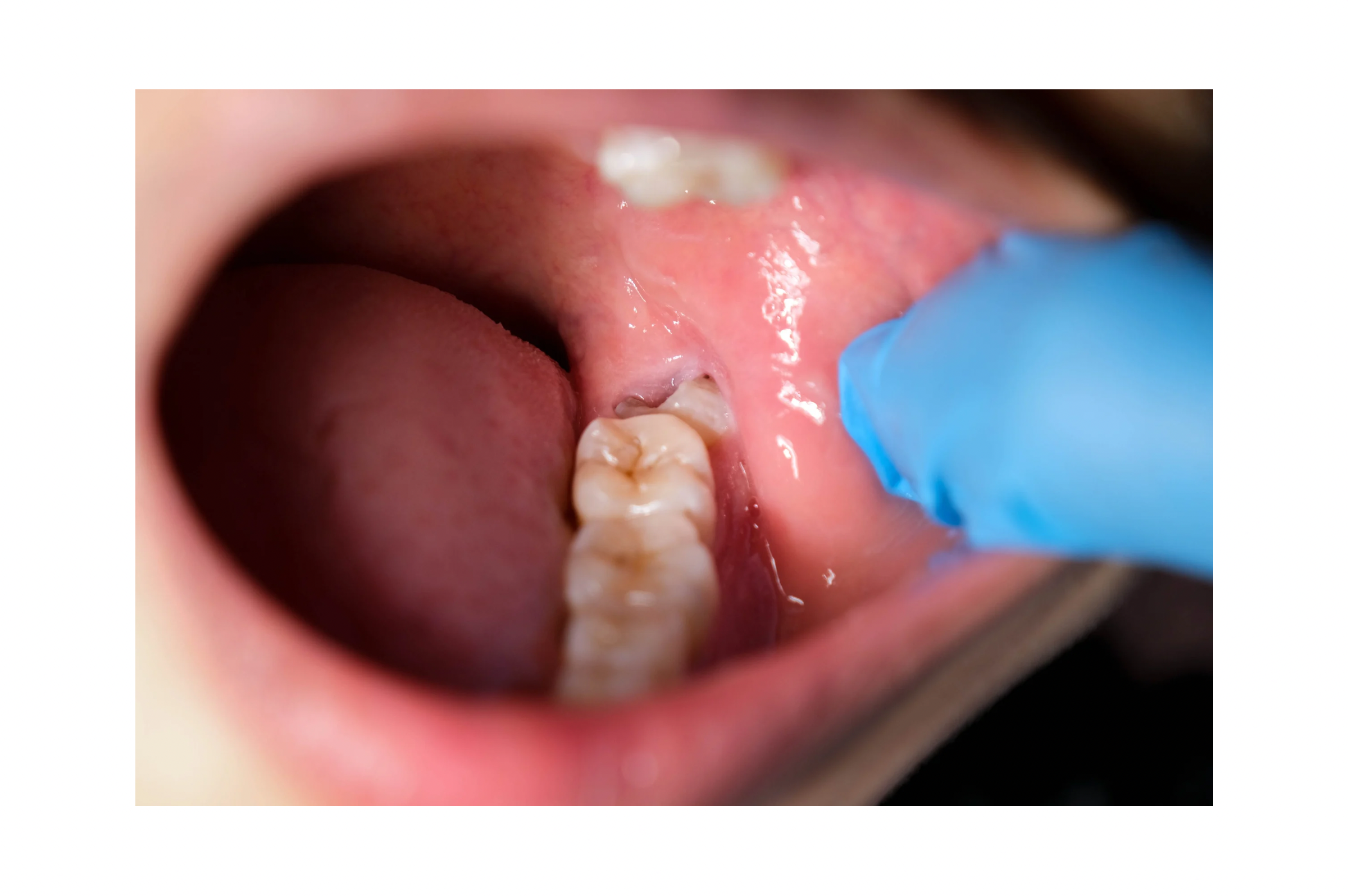
Wisdom teeth are the last set of teeth to develop and often appear during the late teenage years or early adulthood. While some wisdom teeth grow normally without causing problems, others may become trapped, difficult to clean or cause repeated pain and infection.
We assess the tooth and surrounding area to determine whether monitoring, treatment or removal is appropriate.
When can a wisdom tooth cause problems?
A wisdom tooth may cause trouble when there is not enough room for it to come through properly.
Common problems include:
- Repeated pain at the back of the mouth
- Swelling around the wisdom tooth
- Gum infection around a partially erupted tooth
- Difficulty cleaning the area
- Food repeatedly getting trapped
- Damage or decay affecting the wisdom tooth
- Pressure or problems affecting the neighbouring tooth
Not every wisdom tooth needs to be removed. If a wisdom tooth is healthy, functional and can be kept clean, monitoring it may be all that is needed.
What happens during a wisdom tooth assessment?
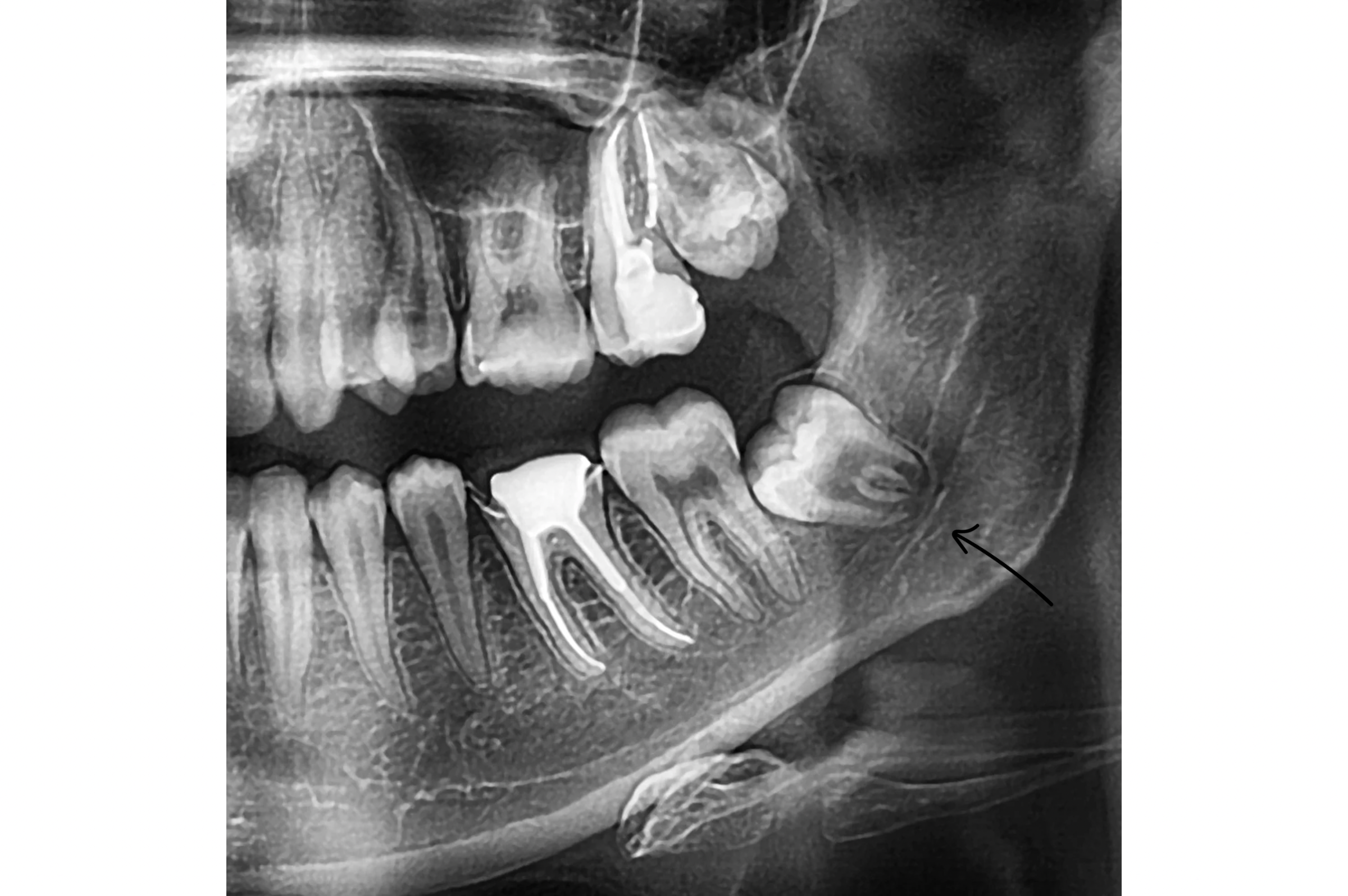
We examine the tooth and surrounding gums. Dental imaging may be recommended to understand the position of the tooth, especially if it has not fully erupted.
We then explain whether the tooth can be monitored or whether treatment or removal should be considered.
Wisdom tooth removal
If removal is recommended, the procedure depends on the position of the tooth.
Some wisdom teeth can be removed relatively simply. Others may be partially or fully trapped under the gum or bone and require a more involved surgical approach.
Before the procedure, we explain what is involved and what you should expect during recovery.
Minor oral procedures
Depending on the case, we may also provide appropriate minor oral procedures such as:
- Removal of certain problematic teeth
- Management of minor gum-related problems
- Treatment of small oral soft-tissue concerns
- Minor procedures associated with dental treatment
If a condition requires specialist oral or maxillofacial care, we will explain this and recommend appropriate referral where necessary.
After the procedure
You will receive specific aftercare instructions based on the procedure performed.
Some swelling, soreness or discomfort can be expected after certain procedures, but we also explain which symptoms are normal and when you should contact us.
Do all wisdom teeth need to be removed?
No.
If a wisdom tooth is healthy, properly positioned and easy to keep clean, it may not need to be removed. The decision should be based on its condition and the potential risks of keeping it.
Book a Wisdom Tooth Consultation